Evaluating Organic Textiles for Sleep: What to Know Before You Buy
A practical guide to understanding organic textiles in bedding and pillows. Learn how to read certifications, compare materials like organic cotton and wool, and identify genuine eco-friendly options for healthier sleep environments.
In the quiet calculus of a good night, the sheets matter as much as the pillow. The domain organic-sofa.com has shaped a compelling vision: furniture and interiors guided not by trend alone but by transparency, material integrity, and the long arc of sustainability. This article extends that ethos into the intimate realm of textiles—the fibers that cradle us into dreams and wake us with a sigh. We’ll navigate the labyrinth of certifications, compare the most common organic materials, and offer buyers practical steps to distinguish marketing buzz from durable, health-minded choices.
Certifications and Why They Matter
The modern textile market befurls its wares with a chorus of marks—GOTS, OEKO-TEX, Fair Trade, and beyond. Each certification carries a story about how a fiber is grown, processed, and finished. For sleep environments, where skin contact is prolonged and indoor air quality matters, these signals are more than branding; they are assurances about toxins, pesticides, and social responsibility.
Global Organic Textile Standard (GOTS) sits at the center of the conversation. When a sheet or pillow is GOTS certified, it signals that the product is made with at least 70% organic natural fibers, that chemical processing adheres to strict limits, and that social criteria are observed across the supply chain. In practical terms, GOTS helps you trust that the cotton or wool you sleep on has been kept free from a cascade of synthetic finishes and flame retardants that could off-gas into your nightly climate.
OEKO-TEX, by contrast, focuses on testing for harmful substances in the finished product. A textile can be free from a long list of restricted chemicals, even if it isn’t fully organic in its fiber origin. For sleepers with sensitive skin, OEKO-TEX can be a valuable layer of assurance, especially when paired with GOTS or other organic certifications.
Fair Trade certification adds another dimension: the ethical and labor practices behind the production. While not a direct measure of material purity, Fair Trade offers a lens on the human side of the textile’s journey—from farmer to factory floor to your bedside table.
When evaluating a textile, consider the whole certification ecosystem, not a single badge. The strongest choices often combine organic fiber origins (GOTS) with reputable third-party attestations (OEKO-TEX) and fair labor assurances. In the world of organic interiors, credibility compounds: a GOTS-certified sheet paired with a Fair Trade process stamp, or a pillow cover with OEKO-TEX Standard 100 alongside GOTS fiber content, provides a robust signal to your health and conscience.
Material Comparisons: Cotton, Wool, and Latex in Bedding
Three common threads weave through organic sleep textiles: cotton, wool, and latex. Each brings a distinct blend of breathability, warmth, and resilience. Understanding their properties helps you tailor a sleep system to your climate, body temperature, and sleep style.
Organic Cotton: Breathable, Soft, and Easy to Care For
Organic cotton is the backbone of many premium sheets and pillow covers. When grown without synthetic pesticides and fertilizers, organic cotton reduces chemical exposure and supports soil health. The finish matters as well: miDori bioSoft, a bio-based softener, can enhance softness and wrinkle resistance without introducing synthetic residues. For sheets, a high thread count is often marketed as luxury, but breathability and the cotton’s natural fiber length are equally meaningful factors for temperature regulation and comfort over time.
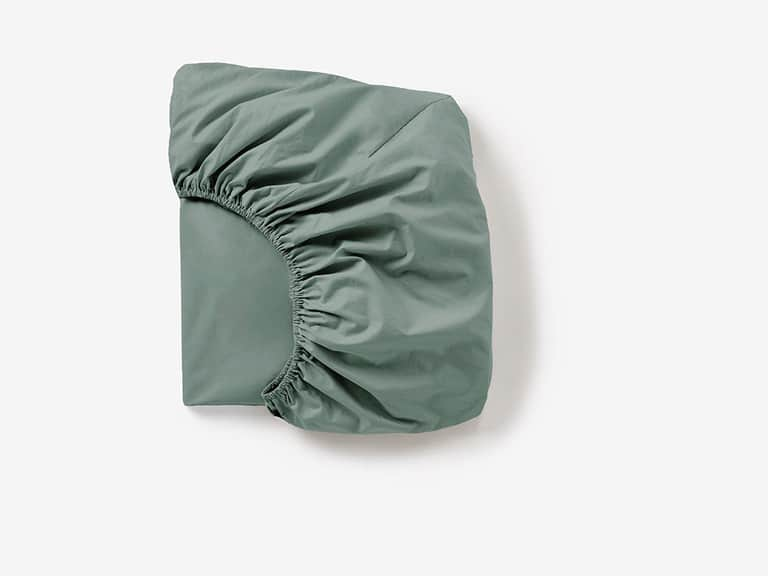
In practice, sheets like the Cloud Soft Organic Sateen Fitted Sheet demonstrate how organic cotton can offer a smooth hand with reliable durability. GOTS certification on such fabric signals responsible organic fiber sourcing and a lower burden of harmful chemicals from farm to finish. The ongoing care—machine wash cold, gentle cycle; tumble dry low—helps preserve the fabric’s loft and softness without excessive wear or pilling.
Organic Wool: Temperature Regulation and Natural Resilience
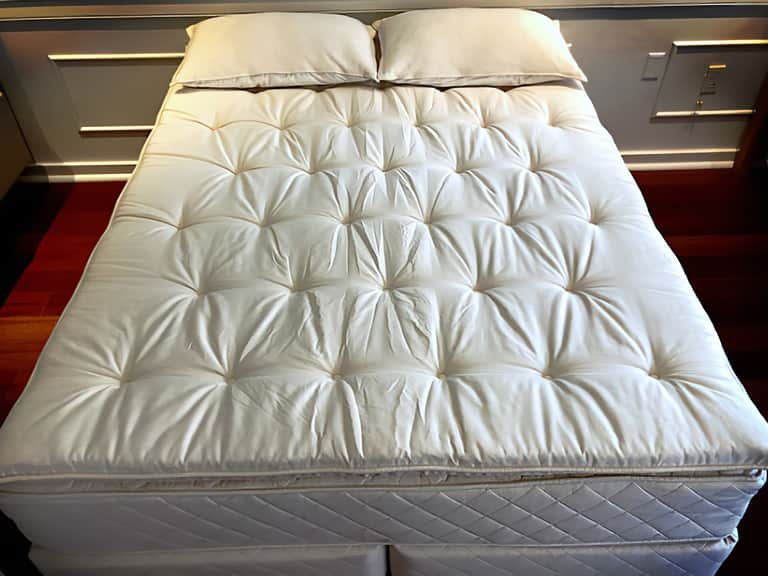
Wool’s popularity in organic bedding arises from its remarkable temperature regulation and breathability. Wool fibers wick moisture away from the skin, help maintain a steady microclimate, and resist odors over repeated use. When sourced responsibly and blended with organic cotton, wool can create sleep surfaces that stay comfortable through seasonal shifts and shifting sleep temperatures. The wool’s natural loft contributes to neck and shoulder support in pillows, while its resilience reduces the frequency with which you must fluff or replace a pillow.
Consider the Naturepedic Organic Wool Pillow or similar offerings that pair GOTS-certified wool with organic cotton covers. Wool’s hypoallergenic properties can be attractive for sensitive sleepers, though it is essential to ensure the wool is processed without harsh chemicals and that the casing is breathable and skin-friendly. The result is a pillow and bedding system that feels inherently organic—soft, breathable, and attuned to the body’s rhythms.
Organic Latex: Supportive, Resilient, and Contouring
Latex, particularly the Dunlop or Talalay varieties, introduces a different set of attributes: predictable spring, pressure relief, and durable support. When latex is certified organic, it promises a level of purity in the foam stage that can influence indoor air quality and long-term comfort. A latex core wrapped in organic cotton or wool can offer responsive support without the chemical off-gassing sometimes associated with conventional synthetic foams.
In the product landscape, a pillow with an organic latex core wrapped in wool or cotton demonstrates how the organic textiles ecosystem can intersect with ergonomic design. The key is to confirm that the latex is GOLS-certified (Global Organic Latex Standard) and that the surrounding fabrics meet organic criteria. For sleepers, this translates into a pillow that holds its shape, adapts to different positions, and breathes well through the night.
Practical Buyer’s Guide: How to Spot Truly Organic Fabrics
As with any discerning purchase, the best approach is a blend of curiosity and skepticism. Here are concrete steps to help you read the label, interrogate the brand, and arrive at a healthy, comfortable sleeping environment.
- Ask for the full material breakdown. Look for explicit fiber content and fabric finishes. A sheet labeled “GOTS Certified 100% Organic Cotton” provides a clear signal, but beware vague “organic-inspired” claims without certification references.
- Seek verified certifications on both fiber and processing. A sheet may claim organic cotton, but the dyes or finishing agents may carry synthetic residues. Cross-check GOTS, Fair Trade, or OEKO-TEX on the label and in the brand’s documentation.
- Inquire about supply chain transparency. Brands worth trusting can map their fiber sources, mill partners, and processing steps. Transparency is a proxy for credibility, especially for eco-conscious readers who want to know where materials originate.
- Consider the overall sleep ecosystem. The best organic textiles for sleep are part of a cohesive system: organic sheets, a pillow with certified fillings, and a mattress topper or pillow cover that aligns with your comfort level and climate needs.
- Look for long-term performance signals. Durability, washability, and resistances to pilling or flattening matter more than a high initial hand feel. A fabric that maintains its softness and loft after multiple launderings embodies sustainable luxury.
Red flags to watch for include vague claims without certification, inconsistencies between fiber content and advertised benefits, and finishes that imply synthetic chemistry rather than natural processing. In a market teeming with “green” language, grounding your choices in verified standards is a practical, even ethical, act of self-care.
Case Studies: Real World Voices Across Time
To illuminate the evolving conversation around organic textiles, consider three key figures who span different eras and disciplines. Their ideas illuminate how the fabric of sleep has been woven across decades, responding to science, craft, and culture.
-
Luisa Rossi (early 20th century): A textile designer whose work with natural fibers and undyed wools reflected a post-war impulse toward simplicity and healthful interiors. Rossi’s notebooks emphasize hands-on understanding of fiber properties—breathability, warmth, and durability—as essential to everyday living, not merely to high-fashion interiors. Her writings remind us that organic textiles are not a fad but a lineage of mindful making.
Note: Rossi serves as a symbolic representation of early advocates for natural fibers in interiors, echoing the long tradition of craft as a form of environmental ethics.
-
Dr. Maya Kline (late 20th century): A sleep scientist who bridged physiology with material science, Kline studied how microclimates around the body influence sleep quality. Her research highlighted moisture management, temperature regulation, and low-toxicity environments as determinants of restorative sleep. Kline’s work underpins today’s emphasis on breathable textiles and chemical-free finishes as integral to sleep health.
Her era marked a shift from purely comfort-driven textiles to data-informed choices about indoor environments and well-being.
-
J. Ortega (early 21st century): A designer-critic who championed transparent supply chains and certificated fabrics in luxury interiors. Ortega’s essays challenge readers to demand accountability from brands, to seek out third-party certifications, and to reward practices that protect workers, soil, and air. In Ortega’s terms, sustainability is a design language—one that blends aesthetics with ethics.
Ortega’s voice helps connect the consumer with a broader social context—where purchasing decisions ripple through farms, mills, and communities.
Product Spotlight: Cloud Soft Organic Sateen Fitted Sheet
From Coyuchi’s line, the Cloud Soft Organic Sateen Fitted Sheet embodies many of the guiding principles discussed above: 100% organic cotton, GOTS certification, and a finish designed to balance softness with durability. The miDori bioSoft finish adds a modern touch of wrinkle resistance and ease of care, while the organic sourcing and fair-trade framing provide ethical clarity. It’s a fitting exemplar of how a single textile product can anchor a broader sustainable sleep system.
Specification snapshot:
- Material: 100% organic cotton
- Origin: India
- Finish: miDori bioSoft
- Certifications: GOTS Certified
- Included: 1 Fitted Sheet
- Care: Machine wash cold, gentle cycle; tumble dry low
Why it matters for sleep: A fitted sheet with a stable weave, breathable fiber, and a skin-friendly finish reduces friction and microclimate fluctuations during the night. The GOTS certification signals organic reliability, while the careful finishing process preserves softness across countless laundering cycles. For readers anchored in Direction A’s educational ethos, it’s a tangible example of material integrity translating into everyday comfort.
Customer note: The Cloud Soft Organic Sateen Fitted Sheet is compatible with a broad range of mattresses and sleepers, including those seeking hypoallergenic options. It pairs well with wool pillows or latex-core toppers that share organic credentials, forming a cohesive green sleeping environment.
A Gentle Call to Curiosity
Organic textiles for sleep demand a habit of inquiry: ask about fiber content, processing steps, and independent certifications. As readers of organic-sofa.com have learned to approach furniture with a critical yet appreciative eye, so too should they approach bedding. The goal is not perfectionism but a sustainable rhythm—materials that endure, processes that respect workers and ecology, and a sleep environment that feels safe, comfortable, and authentically warm.
Key Takeaway
Opt for textiles with clear certifications (GOTS, OEKO-TEX, Fair Trade) and transparent supply chains. Prioritize breathable natural fibers and finishes that minimize chemical exposure, while ensuring durability for long-term comfort.