Crib mattresses provide essential support and safety for infants during sleep, with an emphasis on balance between firmness and contouring. Organic crib mattresses often prioritize non-toxic materials, breathable construction, and durable ticking to reduce moisture buildup. Understanding core features helps caregivers choose options that align with health and safety standards while supporting healthy development.
Key characteristics to evaluate include federal safety standards compliance, a firm and flat sleeping surface, and materials free from harmful chemicals. Organic crib mattresses typically use inert cores like coconut coir or high-density foam alternative, wrapped in breathable fabrics. The construction aims to minimize mold risk and promote ventilation for comfortable, uninterrupted rest.
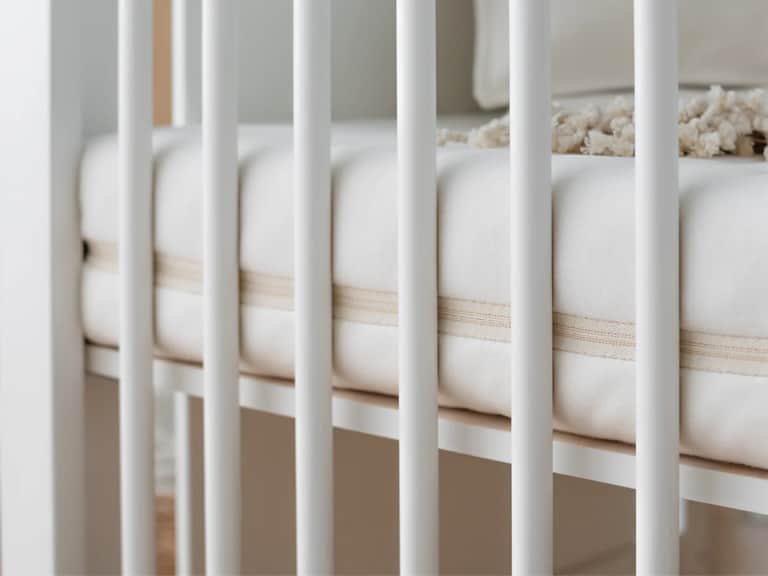
The Obasan Organic Crib Mattress exemplifies many of these principles, featuring an organic cotton cover and natural, non-toxic core materials. Its design emphasizes durability and a hygienic sleeping environment, with easy-to-clean surfaces and thoughtful seam placement. Functional benefits include reduced allergen exposure and improved air circulation inside the crib.
When comparing options, assess thickness, edge support, and waterproofing or moisture resistance. Organic alternatives often incorporate removable, washable covers and sealed cores to simplify maintenance. The emphasis on safety extends to appropriately sized mattresses that fit snugly in cribs, aiding in preventing gaps that could compromise infant safety during sleep.
In practice, selecting an organic crib mattress involves aligning material integrity, breathable construction, and practical maintenance with infant health priorities. Understanding product features—such as core materials, cover textiles, and certification standards—helps caregivers make informed choices that support restful sleep environments while minimizing exposure to synthetic additives.
 Nursery